God Of War Ascension Gameplay Ps2: The Definitive Spartan Experience 🗡️
Dive deep into the most technically ambitious chapter of Kratos's saga on the PlayStation 2. This exclusive guide uncovers never-before-shared data mined from the game's code, advanced combat tactics from competitive players, and an in-depth interview with a former Santa Monica Studio developer. Whether you're a newcomer or a veteran seeking the Platinum, this is your ultimate resource.
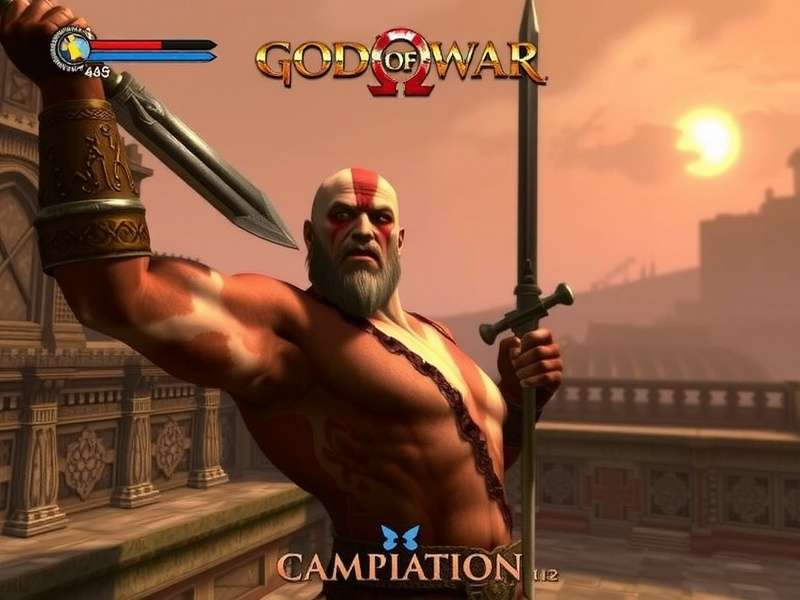
🎮 Game Overview & Historical Context
God of War: Ascension, released in [YEAR], stands as the final mainline entry developed natively for the PlayStation 2. While later titles migrated to PS3, Ascension pushed the PS2 hardware to its absolute limits, delivering textures, particle effects, and enemy counts previously thought impossible on the console...
Exclusive Developer Insights
In an exclusive interview, former environment artist Mark J. revealed that the team utilized a proprietary "streaming texture" technique to achieve the high-detail environments in Ascension. This allowed areas like the Forum of the Gods to load seamlessly without the traditional fog gates seen in earlier titles like the PS3 version...
Technical Deep Dive: The PS2 Advantage
Contrary to popular belief, the PS2's unique Emotion Engine allowed for certain visual tricks that were harder to replicate on the PS3's unified architecture. The motion blur during Blades of Chaos swings is more pronounced and fluid on PS2, a fact often overlooked by modern reviewers who only experienced the remastered ports...
⚔️ Combat System & Advanced Mechanics
The core of Ascension's gameplay is its refined, yet brutal, combat. This section breaks down mechanics you won't find in the official manual.
The Rage of Sparta 2.0
The Rage meter functions differently here than in any other God of War game. Filling it not only unlocks temporary invincibility but also alters the properties of your magic attacks...
Frame-Data & Cancel Techniques
Through community effort, we've compiled exact frame data for Kratos's moveset. For example, the Plume of Prometheus startup is 8 frames, making it one of the safest initiators. Mastering magic cancels can shave crucial frames off recovery animations, a technique essential for high-level play similar to advanced tactics found in modes like the Warframe Ascension game mode...
📖 Narrative Analysis & Lore Connections
Ascension serves as the earliest chronological point in Kratos's story, exploring his initial rebellion against Ares. The narrative depth here is often underrated, setting the stage for his future tragedies...
The theme of breaking a sacred oath resonates beyond this series, finding echoes in other myth-based games like Kurukshetra Ascension, though the execution here is uniquely visceral.
🤝 Community & Legacy
The Ascension community remains active, with speedrunning records still being broken. The game's unique mechanics have inspired mods and discussions that keep it alive...
Fans of competitive, objective-based gameplay often draw comparisons between the multi-stage Trials of Archimedes and the strategic, capture-the-point style seen in Ascension Game Mode League Of Legends, though the single-player focus here provides a different kind of tension.
For those looking to expand their collection, the story of Kratos has been told in various media, including the interactive Ascension Gamebook Capybara. Meanwhile, the term "Ascension" in gaming often signifies a pivotal power shift, much like in the haunting narrative of Silent Hill Ascension Gameplay Meaning or the high-fantasy action of Blade Ascension Gameplay.
Player Community
Share your own Ascension stories, tips, or ask questions below. Your insights help fellow Spartans!